A few years ago, being a running coach meant opening an Excel spreadsheet, reviewing dozens of Strava activities one by one, and relying on intuition to decide whether an athlete was ready for the next long run. Many coaches have moved to more “professional” management platforms, only to encounter another problem: dashboards packed with dozens of charts and metrics that require manual interpretation, data exports to other tools to cross-reference what the platform itself doesn’t connect, and learning curves so steep that they end up using barely 10% of what the tool offers. The result is the same as always: hours in front of a screen trying to understand what’s happening with each athlete, instead of deciding what to do with that information.
That way of working is still valid, but it’s increasingly unsustainable: athletes train with watches that generate dozens of variables per session, and a coach managing more than ten or fifteen runners simply doesn’t have enough hours in the day to analyze everything manually—whether in a spreadsheet or in software that forces them to play data analyst before they can actually coach.
That’s where artificial intelligence comes in. Not as a replacement for the coach’s judgment, but as an analysis layer that does the heavy lifting and leaves the final call where it belongs: in the hands of the person who knows their athletes.
1. Faster and More Personalized Planning
Designing a training plan that accounts for history, race goals, accumulated load, and each athlete’s individual response takes time. When that process repeats for twenty or thirty runners every week, it becomes the bottleneck of the business.
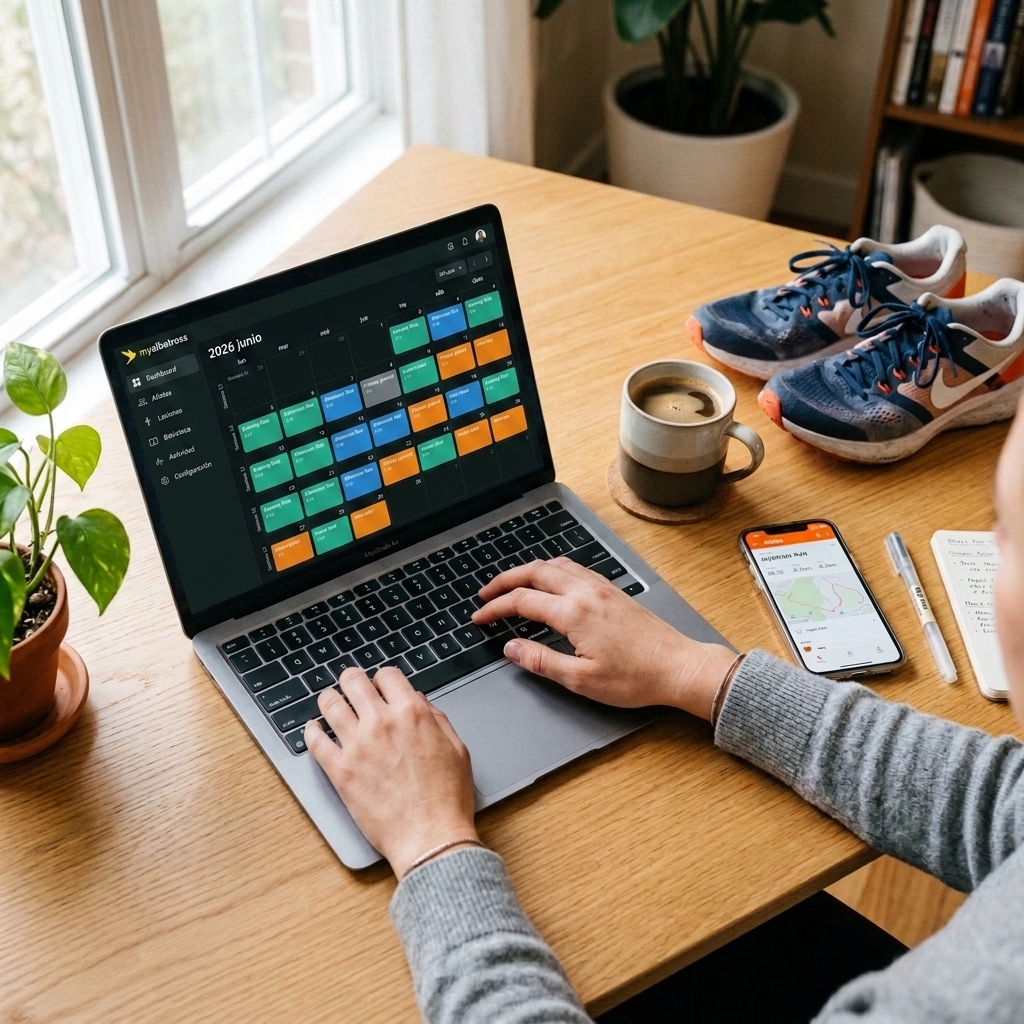
With AI, the coach can request a draft plan or a specific adjustment and receive it in seconds, already calculated from that person’s real data. The key difference from plain automation is that AI doesn’t replace the decision: it proposes, and the coach reviews, adjusts, and validates before sending it. You gain speed without losing rigor.
2. Continuous Monitoring Without Missing a Detail
A coach can closely follow five athletes without too much effort. With thirty, something inevitably slips through: a load that ramps up too quickly, a fatigue signal the athlete hasn’t communicated in time, a trend that only becomes visible when you cross-reference several weeks of data.
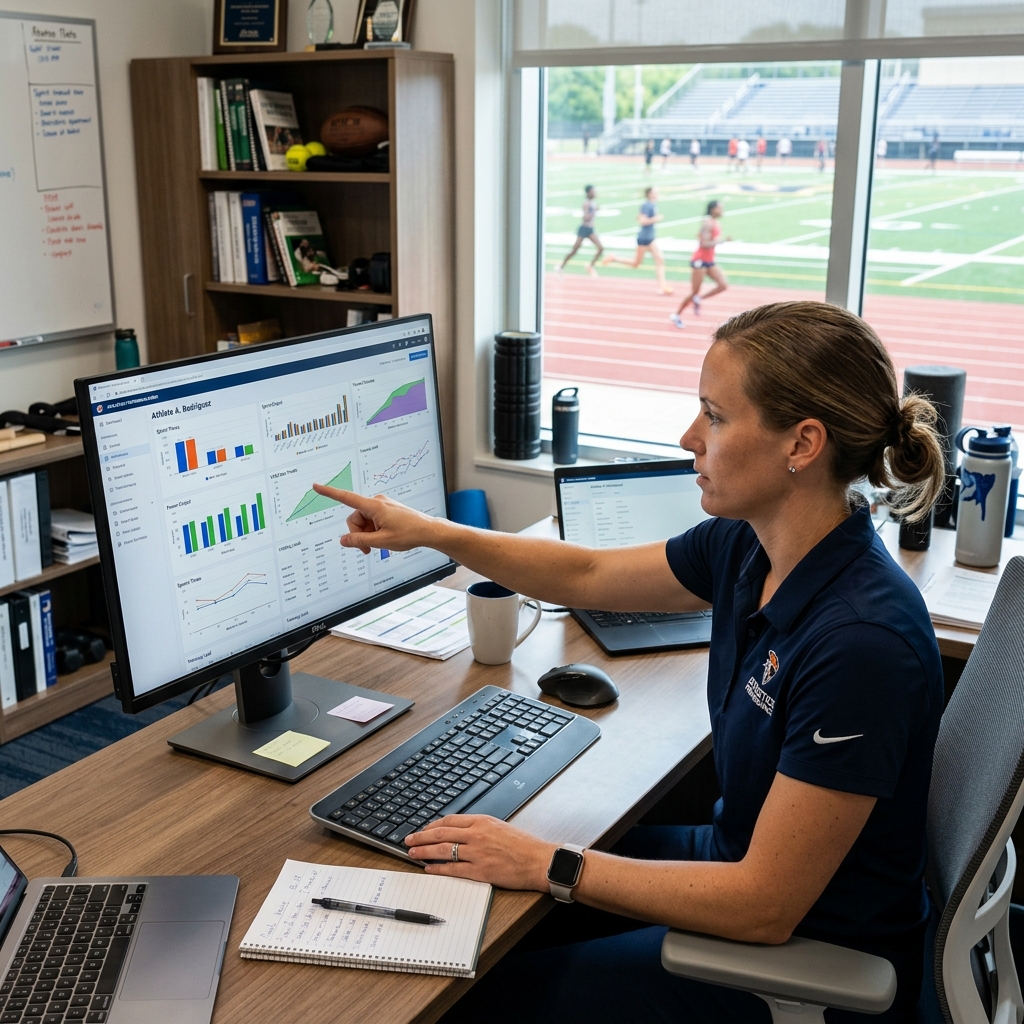
AI doesn’t get tired or distracted. It can continuously monitor dozens of variables—acute and chronic load, reported sensations, injury history—and alert as soon as something falls outside expected ranges, instead of waiting for the weekly review. This turns a task that previously required hours of manual analysis into something that runs in the background, all the time, for every athlete on the roster at once.
3. Injury Prevention: Anticipating Instead of Reacting
This is probably the benefit with the most direct impact on a coach’s business: studies place the prevalence of running injuries at very high figures (some analyses suggest that over 80% of runners have a history of injuries), and an injured athlete almost always means a cancelled coaching subscription.
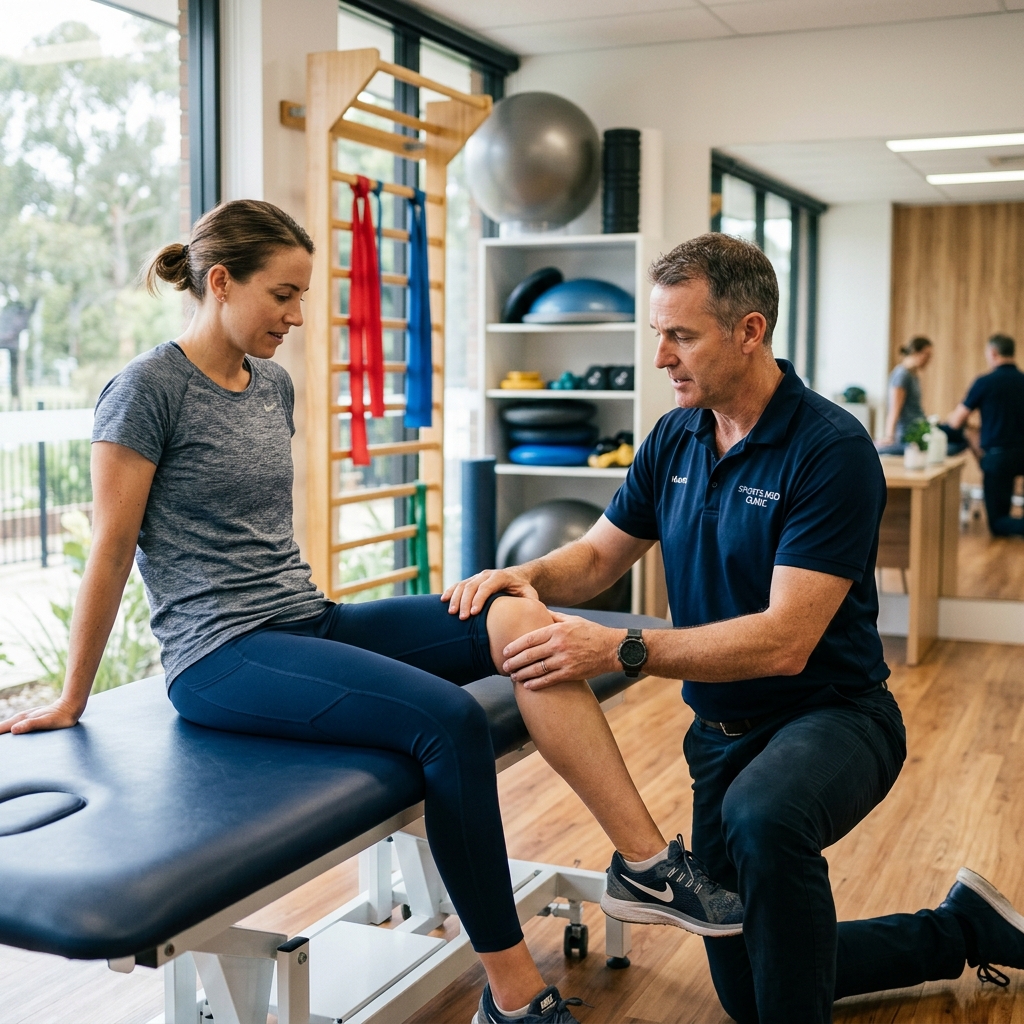
AI applied to load and wellness analysis can detect risk signals before they become a real injury: poorly managed load spikes, sustained lack of recovery over time, or patterns that in the past preceded a similar injury. On platforms like myalbatross, this translates into early warnings and a comprehensive view of athlete health and performance, so the coach knows who needs priority attention before the problem appears—not after.
4. More Time for What Really Matters: Coaching People
Every hour a coach spends exporting data from a watch, entering it into a spreadsheet, and reviewing it manually is an hour not spent talking to their athlete, adjusting race strategy, or simply providing motivation during a tough stretch.

Delegating routine analysis to AI isn’t losing control—it’s reclaiming time. Coaches who already work with these kinds of tools often highlight that they can manage more athletes without the quality of service dropping, because the time that used to go into repetitive tasks is now invested in the conversations and decisions that truly make the difference.
5. Scaling the Business Without Losing Quality
For a coach who makes a living from this, there’s a constant tension between growing (accepting more athletes) and maintaining the level of attention that made those athletes trust them in the first place. Without support tools, that growth has a clear ceiling: there comes a point where it’s impossible to give the same attention to forty athletes as to ten.

With AI monitoring continuously and flagging what needs attention, that ceiling moves. The coach is still the one who decides and who builds the relationship with the athlete, but they no longer need to multiply their working hours at the same rate they multiply their client roster.
AI Doesn’t Replace the Coach—It Sets Them Free
The real value of artificial intelligence in running coaching isn’t about replacing human judgment—it’s about removing all the mechanical work that used to consume the coach’s hours: collecting data, cross-referencing it, detecting patterns, and alerting in time. What remains is more time and higher-quality information to make better decisions.
This is exactly the philosophy behind myalbatross: a planning, analysis, and injury prevention platform designed for running coaches who want to use AI as an assistant—to plan sessions, sync data from Garmin, Suunto, and Strava, monitor their athletes’ injury risk, and receive alerts before problems appear—without ever giving up the professional judgment that makes their athletes trust them.
7-DAY FREE TRIAL Want to see how it works with your own athlete roster?
Plan workouts with artificial intelligence, sync data from Garmin, Suunto, and Strava, monitor your athletes' injury risk, and receive alerts before problems appear.
